




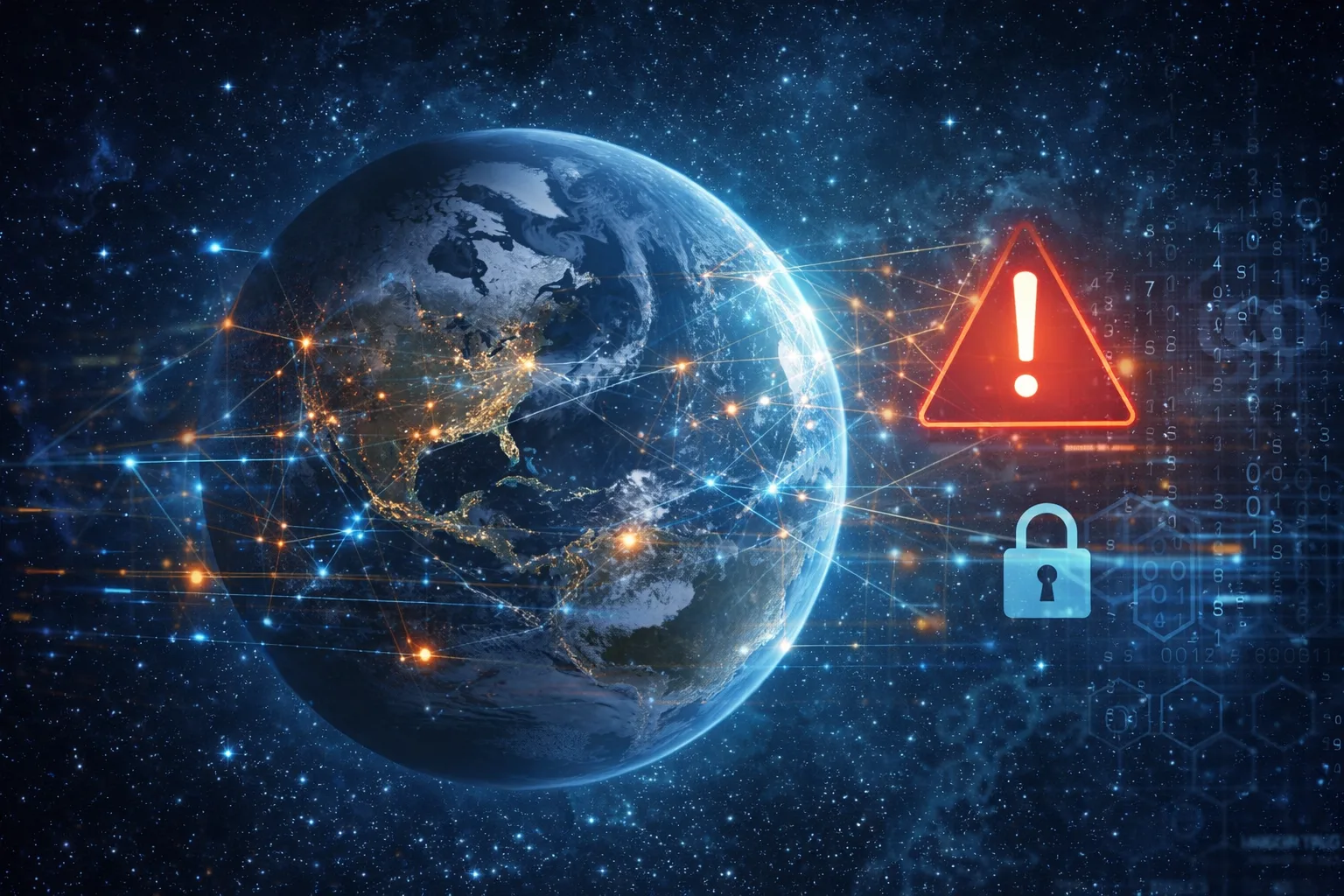
Recent geopolitical tensions in the Middle East have prompted the UK National Cyber Security Centre (NCSC) to warn organisations across the UK to review their cybersecurity posture.
For many UK businesses this might feel like a distant issue. If you don’t operate in the region, it is easy to assume it has little impact on your organisation.
In reality, modern conflicts rarely stay confined to one place. Increasingly, they extend into cyberspace, and organisations far removed from the physical events can still become targets.
The NCSC has highlighted the risk of collateral cyber activity, including campaigns linked to Iran-aligned hacktivist groups targeting Western organisations. These attacks are often opportunistic, which means businesses of any size and in any sector could be affected.
For SME leaders in particular, this is an important reminder. Cybersecurity is no longer just an IT concern. It is a core part of business resilience.
Organisations can also review the latest cybersecurity guidance from the NCSC at
https://www.ncsc.gov.uk
Why global events often trigger cyber attacks
Cyber criminals and hacktivist groups frequently take advantage of global crises. When international tensions rise, cyber activity often increases as groups attempt to make political statements, disrupt organisations, or simply exploit the distraction created by major news events.
During periods of geopolitical tension, organisations often see an increase in:
- Distributed Denial of Service (DDoS) attacks, which overwhelm websites or online services and force them offline
- Phishing attacks, where employees are tricked into clicking malicious links or revealing passwords
- Social engineering campaigns, using breaking news or political developments to make messages appear legitimate
These attacks do not always target organisations directly involved in the conflict. Instead, attackers often look for the easiest entry point.
Unfortunately, that frequently means smaller organisations with fewer security resources.
The biggest cyber risk in most organisations is still human
Despite increasingly sophisticated cyber threats, many successful attacks still begin with something surprisingly simple.
❌ An employee clicks a malicious link.
❌ A convincing email attachment is opened.
❌ A password is entered into a fake login page.
This is not because people are careless. Cyber criminals deliberately craft messages that appear relevant, urgent, and believable.
When global events dominate the news cycle, attackers use them to make phishing emails feel credible.
Examples might include emails referencing:
- updates about international sanctions
- supply chain or shipping disruptions
- urgent financial requests linked to global events
- breaking news connected to the conflict
When a message looks timely and believable, it becomes far harder to recognise it as malicious.
That is why cybersecurity professionals often say your people are the first line of defence.

Why employee awareness matters during geopolitical tensions
Technology is essential for protecting organisations, but people remain a critical part of any cyber defence strategy.
Security awareness training helps employees understand:
- how phishing emails work
- how attackers exploit current events
- what suspicious activity looks like
- how to report potential threats quickly
When staff are given practical guidance and real examples, they are far more likely to identify threats before they become incidents.
For SMEs, this is particularly valuable. Most smaller organisations do not have large security teams monitoring threats around the clock.
Well-informed employees can therefore make a significant difference to reducing risk.
Training also helps create a positive security culture where staff feel comfortable reporting suspicious activity rather than worrying, they may have made a mistake.
Organisations should review their cybersecurity posture
In its advisory, the NCSC encourages UK organisations to review their readiness in light of the evolving situation in the Middle East.
That includes practical steps such as:
✅ refreshing employee awareness around phishing and social engineering
✅ reviewing incident response procedures
✅ ensuring systems are patched and monitored
✅ understanding how to respond to cyber incidents such as DDoS attacks
For many organisations, the fastest and most effective place to start is employee awareness.
If your staff know what to look for and how to report suspicious activity, there is a far greater chance an attack will be stopped before it spreads.
Practical cybersecurity steps every SME should take right now
If you are unsure where to begin, a few simple actions can significantly strengthen your organisation’s cyber resilience.
- Brief your staff on emerging cyber threats. Even a short discussion can raise awareness quickly.
- Reinforce phishing awareness. Encourage employees to question unexpected emails, particularly those requesting urgent action.
- Make reporting simple. Staff should know exactly how to flag suspicious emails or activity.
- Review your security controls. Ensure patching, monitoring, and email filtering are working properly.
- Introduce regular security awareness training to keep cybersecurity visible across the organisation.
Strengthening your human layer of cyber defence
Phishing remains one of the most common ways attackers gain access to organisations. These emails are designed to look convincing and often reference current events or urgent business activity.
Their aim is simple. Persuade someone to click a link, download an attachment, or enter login credentials.
At ramsac, our phishing awareness training helps organisations reduce this risk by teaching employees how to recognise suspicious emails and respond appropriately.
The programme combines practical training with simulated phishing exercises so staff can see how real attacks work in a safe environment.
By regularly educating employees and testing their responses, organisations build a stronger security culture. Staff become more confident identifying unusual emails, questioning unexpected requests, and reporting potential threats quickly.
Over time this significantly reduces the likelihood of a successful phishing attack and helps businesses remain resilient, even when global events create new opportunities for cyber criminals.
If you would like to strengthen your organisation’s human layer of defence, ramsac can help you implement an effective phishing awareness training programme that keeps security front of mind for your team.
FAQ: Cybersecurity risks following Middle East tensions
The UK National Cyber Security Centre has warned that geopolitical tensions may lead to increased cyber activity targeting Western organisations. This can include phishing attacks, DDoS disruption, and campaigns from politically motivated hacking groups.
Yes. Cyber attackers often target organisations opportunistically. This means small and medium-sized businesses can become victims even if they have no direct links to the conflict.
Common attacks include phishing campaigns, distributed denial of service attacks, social engineering, and attempts to spread disinformation. Attackers frequently use breaking news to make malicious messages appear legitimate.
Many cyber incidents begin with phishing emails or social engineering. Security awareness training helps employees recognise suspicious messages and report potential threats before they cause harm.
Phishing awareness training teaches employees how to identify suspicious emails, links, and attachments. It often includes simulated phishing exercises that show how attackers operate in real-world scenarios.
ramsac helps organisations strengthen cyber resilience through phishing awareness training and simulated phishing campaigns. These programmes help businesses reduce the risk of phishing attacks while building a stronger security culture.