






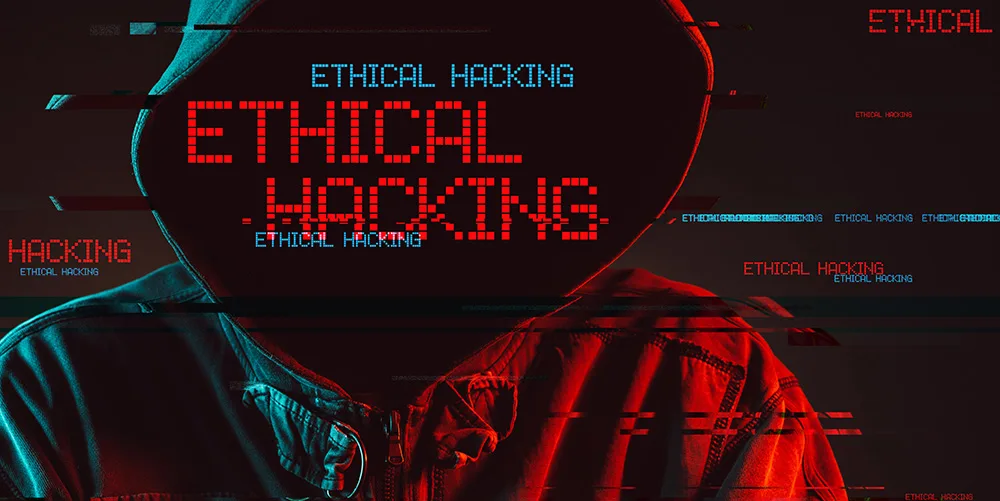
Let’s talk about hackers. You probably picture a hoodie-wearing figure in a dimly lit room, tapping furiously at a keyboard, stealing data, or breaking into a government database. Thanks to Hollywood and a few high-profile breaches, this image has taken root in our collective consciousness. But here’s the thing: it’s wrong, at least, it’s incomplete. And that misunderstanding is a problem.
The word “hacker” didn’t always carry a sinister undertone. Back in the early days of computing, hackers were the cool kids, the curious minds pushing boundaries, solving puzzles, and tinkering with code to make systems better. They weren’t breaking the law; they were breaking barriers. It was about innovation, not infiltration. Yet over time, that meaning got warped, and we’ve ended up with a term that confuses more than it clarifies.
Here’s where things get messy—not all hackers are the bad guys, there are 3 main types of hackers;
- Black Hats – These are the ones you hear about in the news, the cybercriminals who steal data or hold systems hostage for ransom.
- White Hats – The ethical hackers. They get paid to find the holes before the bad guys do, hired by companies, governments, and anyone else who values security. Without them, the internet would be an even scarier place.
- Grey Hats – The middle ground. They might break into systems without permission, but their goal isn’t to cause harm—it’s to point out vulnerabilities and, sometimes, even help fix them. Are they breaking rules? Sure. But are they acting with malice? Not usually.
It’s complicated, and that’s part of the problem with using one word—”hacker”—to describe all these different behaviours and motivations.
This confusion isn’t just a linguistic quirk; it has real consequences. For one, it makes it harder to talk about cybersecurity. If every hacker is a criminal in the public eye, ethical hackers have to work twice as hard to explain their role. Imagine being in a profession where your job title makes people suspicious of you. That’s the reality for many ethical hackers, and it’s an unnecessary burden.

Even the law struggles with this ambiguity. In some cases, it treats all hacking as inherently criminal, regardless of intent. That’s not just unfair; it’s counterproductive. The truth is, we need ethical hackers. They’re the ones keeping your bank account safe, your emails private, and your company’s data secure. Dismissing their work because of a misunderstood label only helps the actual bad guys.
So, what do we do about it? First, we need to get better at telling the difference between hackers who protect systems and those who exploit them. Words matter, and lumping everyone together does more harm than good. Maybe we lean on clearer terms like “ethical hacker” or “security researcher” to describe the good guys. Or maybe we just need to educate people about the shades of grey (and white) in the hacking world.
Second, we need to recognise the value of hacking as a skill. The curiosity, creativity, and technical expertise that define true hacking are assets, not threats. Ethical hackers play a critical role in the digital age, and they deserve the same respect we give to doctors, engineers, or any other problem-solvers. The more we embrace their contributions, the safer we all become.
The word “hacker” is never going to lose its baggage completely. But if we can start looking beyond the stereotypes, we might just see the full picture. Hacking isn’t inherently bad; it’s about how that skill is applied. And when it’s applied ethically, it’s not just good, it’s essential.
Protect your business with ramsac
As one of the most trusted providers of cybersecurity solutions and support across London and the South East, we offer you protection and peace of mind.
We will help you carry out a thorough cybersecurity risk assessment and then plan and implement a proportionate response to the results. We also educate end-users and implement internal policies for the safest use of technology and the protection of your data.