






When organisations think about data security, they often imagine dramatic cyberattacks, shadowy hackers, and systems being taken offline overnight. In reality, many of the most serious data incidents start far more quietly, and far more innocently. Did you know over 80% of data breaches start with someone just trying to do their job?

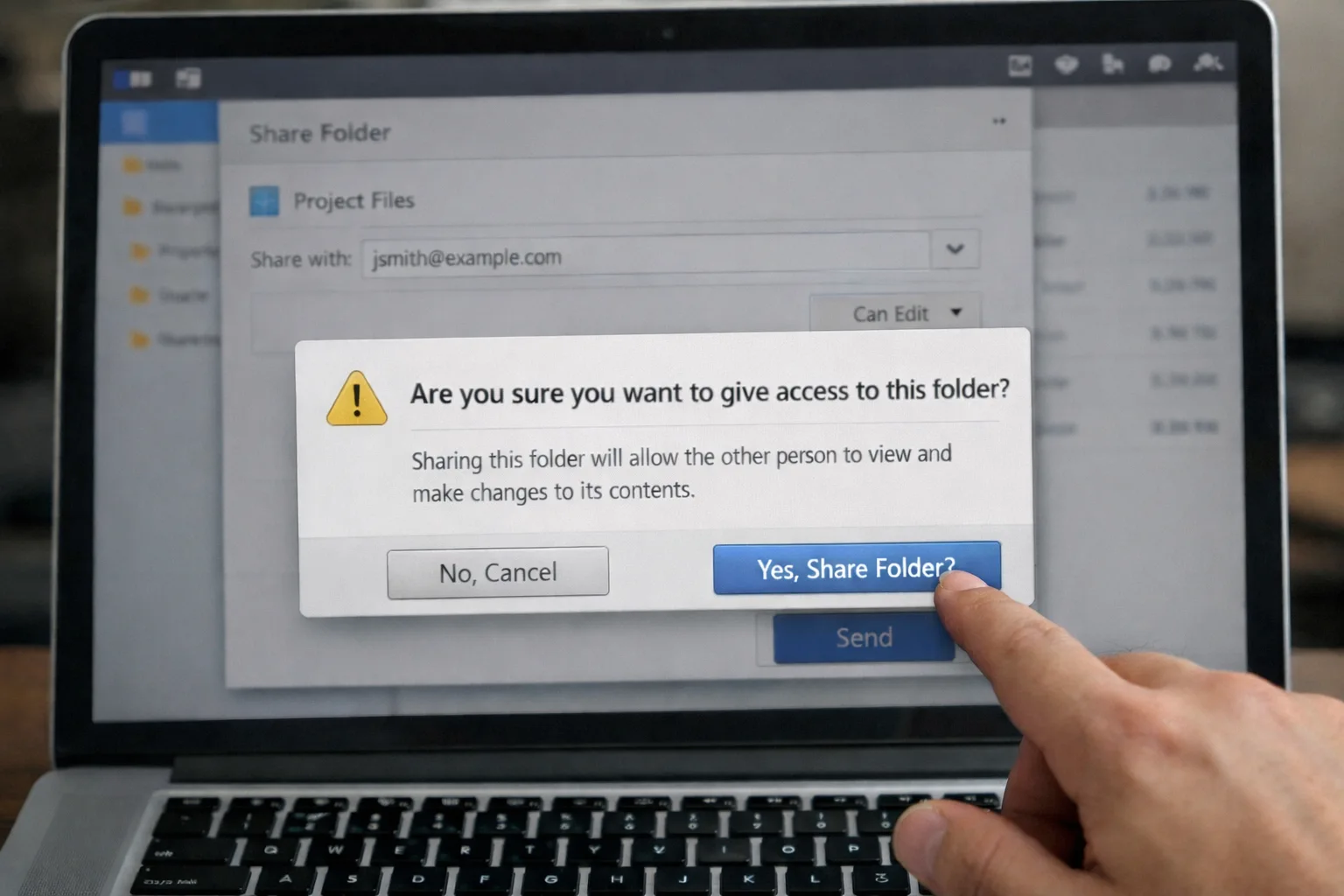
A document shared too widely, “just to get the job done”.
A folder that’s never reviewed after a team restructure.
Sensitive data kept far longer than it should be.
A policy that exists on paper, but isn’t reflected in how systems actually work.
None of these feel like emergencies at the time.
Until suddenly, they are.
Most breaches don’t start with bad intent
The uncomfortable truth is that many data breaches are not caused by malicious insiders or sophisticated attacks. They’re caused by everyday behaviour in busy organisations.
People are trying to collaborate, move quickly, and do their jobs well. Microsoft 365 makes that easy, which is exactly why risk can creep in unnoticed.
Over time, small decisions add up. Access granted “temporarily” becomes permanent. Old Teams sites linger long after projects end. Files move between email, OneDrive, SharePoint and Teams, without anyone quite knowing where the definitive version lives.
Nothing breaks. Everything still works.
But from a security and compliance perspective, risk is quietly building in the background.

Compliance pressure isn’t going away
Between GDPR, ISO 27001, Cyber Essentials Plus, industry-specific regulations, and increasingly demanding customers, data governance has become a constant background pressure for organisations of all sizes.
What makes this challenging isn’t a lack of rules. It’s translating them into:
- Clear, everyday behaviour that people actually follow
- Consistent technical controls across Microsoft 365
- Evidence you can stand behind during audits or incidents
Most organisations want to be compliant. What they struggle with is embedding those requirements into their systems without making work slower, harder, or more frustrating for staff.

Why Microsoft 365 environments quietly drift into risk
Microsoft 365 grows organically, and that’s part of its strength. It adapts to how people work, teams form quickly, and collaboration happens naturally.
But without active governance, that flexibility creates problems.
Over time:
- Permissions are added, but rarely removed
- Sites are created faster than they’re governed
- Data spreads across Teams, SharePoint, OneDrive and email
- Policies are written once, then quietly forgotten
From the outside, everything looks fine.
From a compliance perspective, it’s anything but.
For example, a contractor is added to a SharePoint site for a short-term project. Months later, the project’s long over, but no one ever removed their access. That same contractor now works for a competitor. Nothing was hacked. No policy was broken. But a serious data exposure just happened, and no one saw it coming.
Security works best when it feels invisible
The most effective data security doesn’t rely on people constantly stopping to think, “Am I allowed to do this?”
Instead, good governance quietly shapes behaviour in the background. The secure option becomes the default, risky actions are prevented before they happen, and rules are applied consistently rather than selectively. As regulations change and organisations evolve, governance adapts with them, without requiring constant user intervention.
When security is built directly into the environment, rather than layered on top of it, people can work confidently without fear of doing the wrong thing.
This is the thinking behind the ramsac Data Security Framework.

A framework built for real-world compliance
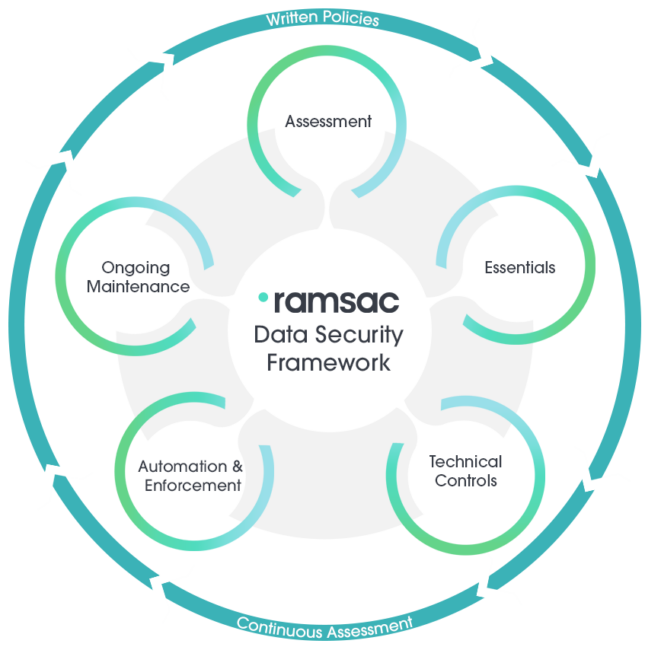
Rather than treating compliance as a box-ticking exercise, the ramsac Data Security Framework focuses specifically on how data is created, shared, stored and governed across Microsoft 365 in day-to-day use.
It helps organisations:
- Assess their current position, understanding what data exists, where it lives, who can access it, and where the real risks are
- Put the essentials in place, prioritising quick wins that immediately reduce exposure
- Apply technical controls, such as sensitivity labels, retention policies and data loss prevention
- Automate and enforce rules, reducing reliance on user judgement alone
- Maintain oversight, with ongoing review, reporting and alignment between policy and reality
Crucially, written policies and continuous assessment sit underneath everything. That means what’s documented reflects what’s actually happening in Microsoft 365, not just what should be happening.
The confidence that comes from being in control
When data governance is done well, the benefits go far beyond compliance.
Audits feel manageable rather than stressful.
Leadership understands their true risk posture.
Teams collaborate without fear or hesitation.
Security becomes part of business as usual, not a blocker.
It’s not about locking data down.
It’s about knowing where it is, who can access it, and why.
If compliance and security are on your agenda this year
Whether you’re preparing for an audit, responding to customer requirements, or simply trying to reduce risk across Microsoft 365, having a clear, structured approach makes all the difference.
Accidental risk is the biggest threat you’re not tracking.
Talk to us about how the ramsac Data Security Framework helps you take control of your Microsoft 365 environment, reducing risk, proving compliance, and keeping your teams moving.
Your journey to secure, well-governed data
Data drives productivity, but without governance it quickly becomes a risk. The ramsac Data Security Framework offers a flexible model to help organisations understand, protect, and manage their information
Data breach FAQs
The most common cause of data breaches is accidental exposure, such as data being shared too widely, permissions not being reviewed, or sensitive information being retained longer than necessary.
Microsoft 365 is secure by design, but risk builds over time when governance is not actively managed. Organic growth, changing teams, and inconsistent policies can lead to excessive access and unmanaged data.
Organisations can reduce accidental data breaches by implementing clear data governance, applying consistent technical controls like sensitivity labels and data loss prevention, and regularly reviewing access and policies.
Data governance in Microsoft 365 is the practice of controlling how data is stored, accessed, shared, and retained, ensuring it aligns with regulatory requirements and business policies.
The ramsac Data Security Framework helps organisations embed compliance into everyday working practices by combining policy, technical controls, automation, and ongoing oversight within Microsoft 365.